Kitchen Organization
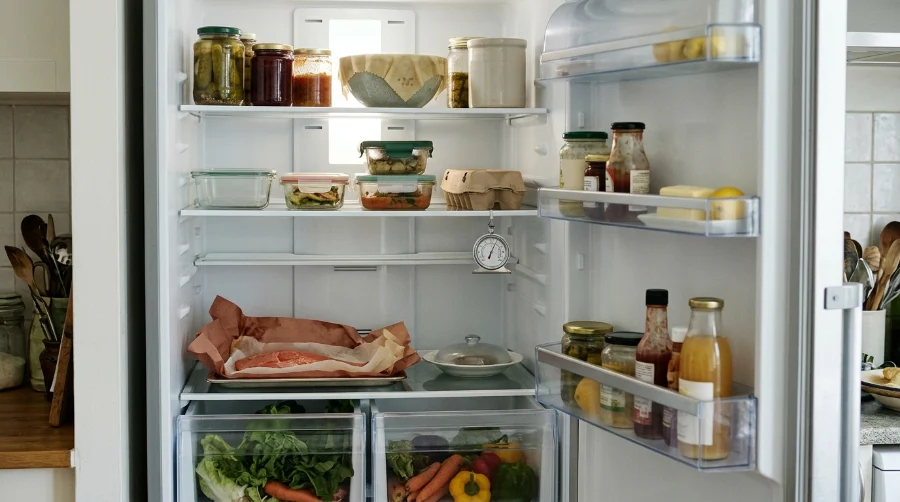
A Refrigerator Organized by Purpose, Not Just by Container
A refrigerator is easier to use when its layout matches how food is stored safely. Organizing it is not mainly about matching containers; it is about knowing which…
Spices are easy to buy and easy to forget. A jar pushed to the back of a cupboard may still be there years later, losing strength while taking up space. Storing…
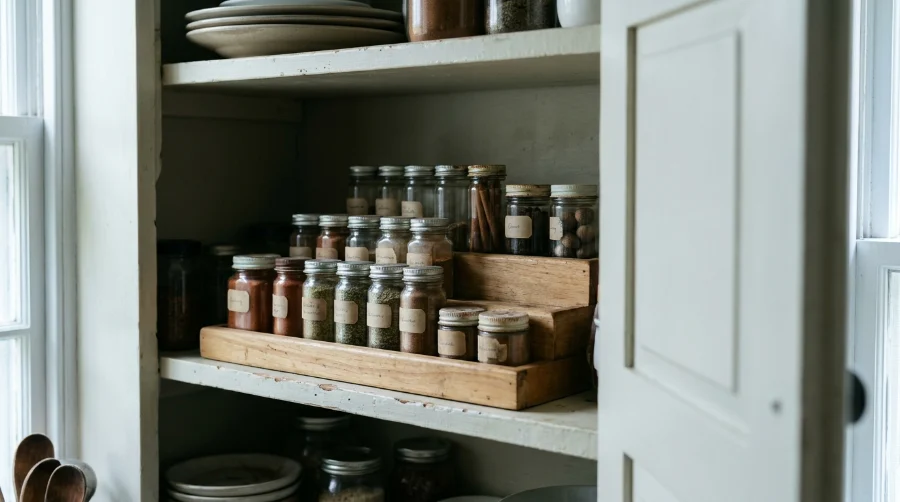
Spices are easy to buy and easy to forget. A jar pushed to the back of a cupboard may still be there years later, losing strength while taking up space. Storing spices well solves two problems at once: finding the right one quickly and knowing whether it is still worth using.
Alphabetical order looks neat but rarely matches the way a meal is made. Most people reach for a small group of spices repeatedly and use the rest occasionally. Group spices by the way they are used: everyday seasonings together, baking spices together, and stronger or specialised spices in a third group.
Keep the everyday group closest to the cooking area, in a place that can be reached with one hand while something is on the stove. A shallow tray or a tiered stand works well because every label stays visible. Baking spices can live nearer the mixing area if baking is regular, or on a higher shelf if it is not.
Where two spices are always used together, keep them side by side. This is more useful than any strict system because it follows the household's actual habits. A system that matches how people cook survives; a system that only looks orderly does not.
Flavour fades faster when spices are exposed to heat, light, and air. A rack directly above a stove or beside a sunny window may look convenient, but it shortens the useful life of the contents. Choose a cool, dark cupboard or a drawer away from the oven and the kettle.
Transparent jars are pleasant to look at, but they leave spices in the light. If clear jars are preferred for their labels, keep them inside a cupboard rather than on an open shelf. Small opaque containers protect the contents better and are easy to grab when the label is on the lid.
Do not store spices in the refrigerator. The temperature and moisture changes are unsuitable for most dried spices, and containers can collect condensation when taken in and out. A cool cupboard is the better choice.
A lid that takes two hands to open will be left off, and a spice left open absorbs moisture and loses aroma. Choose containers that open and close with one movement. Wide-mouth jars are easy to fill and to scoop from, but they let in more air each time they are opened.
Many spices are sold in bags that do not stand up and cannot be resealed well. Transferring them to labelled jars is useful, but only if the jars are airtight. A jar with a warped lid or a loose seal offers little protection. Check second-hand containers before using them.
Write the name and the date on the container or the lid. A purchase date makes it possible to judge whether a spice is still worth keeping. Ground spices lose flavour sooner than whole spices, so the date matters more for the ground ones.
Whole spices keep their flavour longer because less surface is exposed to air. If a household uses a spice regularly and owns a grinder, buying whole is often more economical and gives better flavour. Cumin seeds, peppercorns, and coriander seeds are common examples.
This is not practical for every kitchen. A grinder that is awkward to clean or a spice used only once a month makes the extra effort hard to justify. The best choice is the one the household will actually use. Ground spices are perfectly fine when they are fresh and stored well.
Buy small amounts if a spice is new. A large jar of something unfamiliar often sits unused for years. A small container can be finished while it is still fragrant, and replaced if it proves useful.
Once or twice a year, take the spice group out and check it. Look for jars that have not moved, lids that are loose, and contents that have changed in smell or texture. A spice that no longer smells of anything will not improve a meal, even if it looks fine.
Be cautious about using spices past their best in dishes where they are the main flavour. In a stew with many other ingredients, an older spice may be harmless but contributes little. Where a spice is the focus, freshness matters more.
Dispose of anything that smells musty or shows signs of moisture. Clumping can mean that water has got into the container, which may encourage mould. In that case, throw the contents away and wash the jar thoroughly before reusing it.
A label that only names the spice is useful, but one that also carries the date does more work. Writing the year on the lid when a jar is opened or bought removes the guesswork later, when memory of the purchase is gone. A small piece of tape on the lid is enough and peels off cleanly.
Keep labels on the part of the container that stays visible when it is stored. A label on the back of a jar in a tiered stand is useless at the moment of cooking. If several people use the kitchen, write names plainly so nobody has to lift each jar to identify it.
Do not keep dozens of spice blends purchased for a single recipe. A blend used once and forgotten occupies space and decays quietly. Before buying a special mixture, check whether the household already has the individual spices to make something similar.
Do not store spices in a drawer that also holds sharp tools or heavy utensils. A jar can tip and spill when the drawer moves. If a drawer is the only option, use a fitted insert that holds each container upright.
Do not decant everything into matching jars before knowing which spices are kept. Matching containers look tidy but take time to label and fill. Sort and discard first, then choose containers for what remains.
Good spice storage does not need a built-in rack or a large collection. It needs a cool place, containers that close easily, labels with dates, and a clear group of the spices used most often. When those basics are in place, cooking becomes quicker and a jar at the back of the cupboard is less likely to be forgotten.
Guides that pair well with this one.
A refrigerator is easier to use when its layout matches how food is stored safely. Organizing it is not mainly about matching containers; it is about knowing which…
Making a hot drink is a small sequence repeated many times a day: reach for a cup, add coffee or tea, boil water, sweeten, stir, and clean up. When those six steps…
A freezer is easy to forget until something is lost at the back of it. Unlike a fridge, it hides food in solid blocks and frost, and a bag of vegetables can be…