Kitchen Organization
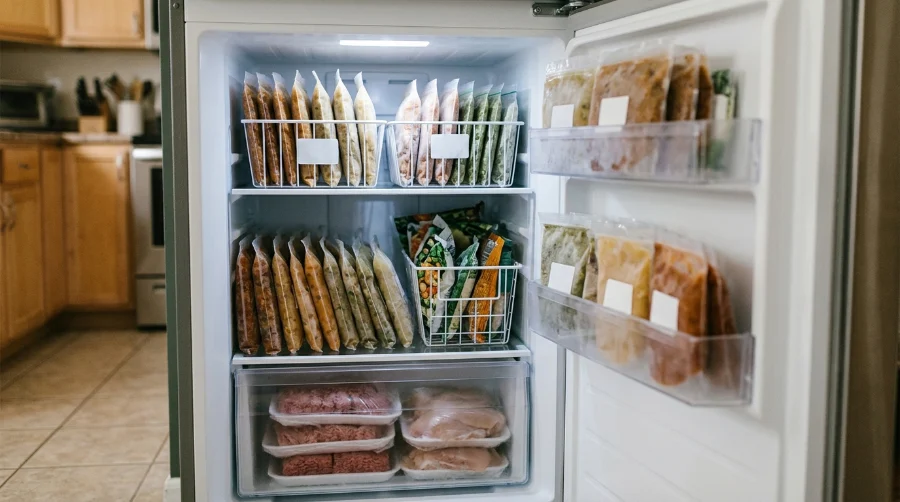
A Freezer You Can Actually See Into
A freezer is easy to forget until something is lost at the back of it. Unlike a fridge, it hides food in solid blocks and frost, and a bag of vegetables can be…
A refrigerator is easier to use when its layout matches how food is stored safely. Organizing it is not mainly about matching containers; it is about knowing which…
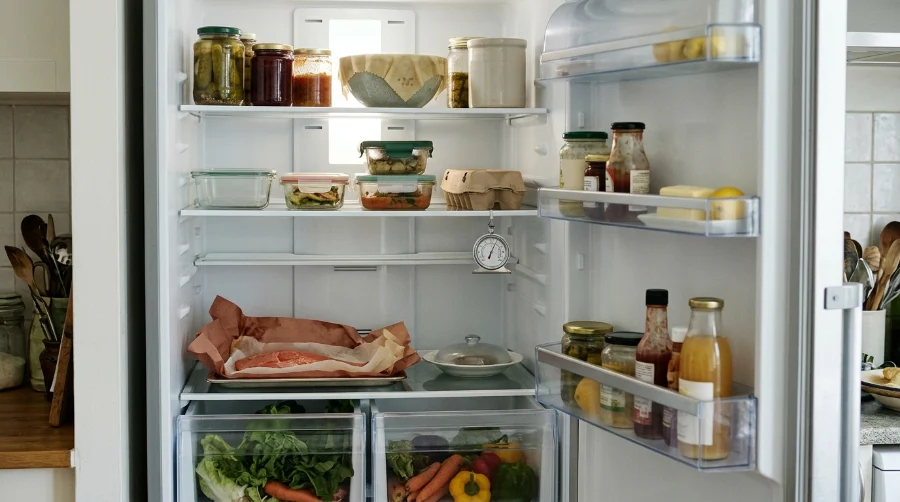
A refrigerator is easier to use when its layout matches how food is stored safely. Organizing it is not mainly about matching containers; it is about knowing which shelf should hold what, keeping air moving, and making sure nothing sits at the back forgotten. A simple system can be set up in an afternoon and maintained in a few minutes each week.
Before moving anything, check the temperature. Food safety guidance commonly recommends keeping a refrigerator at or below 40°F (4°C). Use a refrigerator thermometer if the appliance has no reliable display, because the dial setting does not always match the actual temperature.
Avoid packing the refrigerator so tightly that cold air cannot circulate. A full fridge holds temperature better than an empty one, but only if air can move around the shelves. Leave a little space between items and do not line the shelves with solid trays that block airflow.
Upper shelves are usually the coldest or most stable areas, depending on the model. They suit ready-to-eat foods, leftovers in sealed containers and drinks. The door is the warmest part and changes temperature each time it opens, so it is better for condiments and juices than for milk or raw food.
The lowest shelf is the right place for raw meat, poultry and fish, ideally in a sealed container on a tray. Keeping them below other foods reduces the chance of drips reaching something that will be eaten without cooking. If your refrigerator has a dedicated drawer for raw items, use that instead.
Many refrigerators have two drawers with different humidity settings. Leafy greens and herbs generally prefer higher humidity, while fruit such as apples and pears does better with lower humidity. Check the labels or the manual for your model rather than guessing.
Keep drawers only partly full so air can move. Remove spoiled pieces promptly, because one soft fruit can affect the rest. A quick look during the weekly shop is enough; there is no need to empty the drawer every day.
The door shelves are useful for small, stable items: mustard, mayonnaise, jam and similar condiments. Because temperatures fluctuate there, they are not ideal for items that spoil quickly. A quick check of the labels on your own products will confirm what the manufacturer recommends.
Group similar items together so you can see what is running low. A door shelf that holds bottles, sauces and packets in one pile hides the ones at the back. Move them into a shallow bin if the shelf is deep, but keep the bin small enough to lift out.
Clear, stackable containers make it easy to see leftovers, but they are only useful if they fit the shelf height. Measure before buying a full set. Square shapes use space better than round ones, and uniform sizes stack without wobbling.
Avoid transferring everything into matching containers if that means you never put the lid back on correctly. The best container is the one the household will use. Reused tubs are fine when they are clean, dry and clearly labelled with the contents and the date.
Keep lids with their bases by storing them loosely on top rather than in a separate drawer. A drawer full of unmatched lids wastes time and encourages people to leave containers open. If a lid is missing or warped, recycle the container rather than keeping it as a spare.
Leftovers cause more fridge clutter than most people expect. Keep a stack of shallow containers near the cooking area so food can be packed away while it is still fresh in your mind. Cool it promptly, seal it and write the date on the lid or on a piece of tape. A label that says what the food is saves guesswork a few days later.
Set aside one shelf, or part of a shelf, for these containers. When that space is full, the next cooked meal should be eaten or frozen rather than added to the pile. This small limit stops mysterious containers collecting at the back, where they are forgotten until they have to be thrown out.
Use-by dates are about safety; best-before dates are about quality. Understanding the difference reduces unnecessary waste. When in doubt about a perishable item, follow the safer option and discard it.
Keep a short "eat first" area on one shelf for items that need using soon. It does not need a special system. A shallow tray with yesterday's leftovers and opened packets is enough, provided someone checks it before cooking.
Choose a day when the fridge is likely to be less full, such as before the main shop. Remove anything that has spoiled, wipe a single shelf and move older items forward. Check the thermometer if you noticed that the door was left open or that food felt warm.
Once a month, take everything out and clean the shelves properly. Unplug the appliance first if the manual advises it, and follow the manufacturer's instructions for the removable parts. Do not use harsh cleaners on food-contact surfaces unless the product is intended for that purpose.
One more mistake is treating organization as a one-time event. A refrigerator changes every day, so the system has to be simple enough to restore quickly. Clear shelves, a place for raw food and a short weekly check will do more than any set of expensive bins. A calm fridge is not about perfect labels; it is about knowing where things are and being able to reach them without digging.
Guides that pair well with this one.
A freezer is easy to forget until something is lost at the back of it. Unlike a fridge, it hides food in solid blocks and frost, and a bag of vegetables can be…
Spices are easy to buy and easy to forget. A jar pushed to the back of a cupboard may still be there years later, losing strength while taking up space. Storing…
A small pantry can hold a surprising amount, but only when the shelves are planned around the way a household cooks. Without a plan, packets stand at odd angles…