Home Decorating
Curtain Details That Change a Small Room
Curtains do more than cover a window. In a small room they affect how much daylight comes in, how wide the window appears and how much visual space the wall seems…
Choosing paint for a small room is less about following a rule and more about understanding the light in that particular space. A pale color in a dark room can…
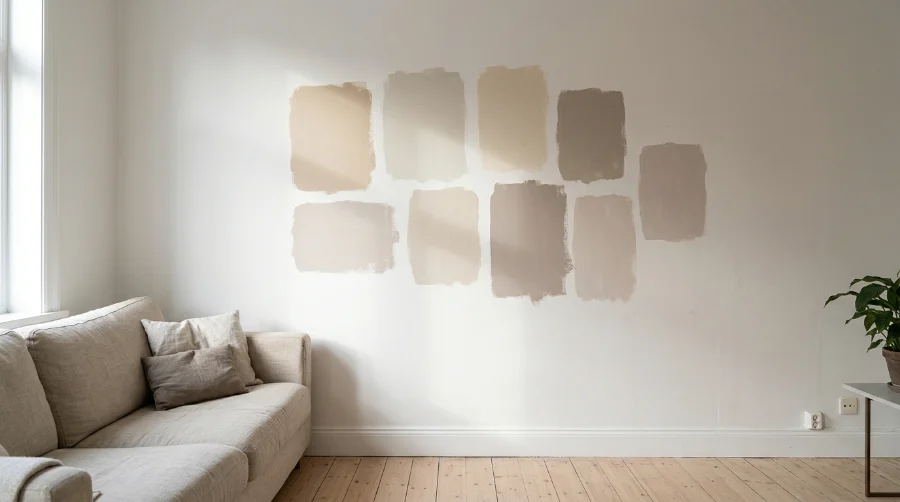
Choosing paint for a small room is less about following a rule and more about understanding the light in that particular space. A pale color in a dark room can still feel cold, while a deeper color in a sunny room can feel warm and comfortable. The color has to work with what the room already gives you.
Notice the direction of the windows and when the room receives daylight. North-facing rooms often get cooler, more even light, while rooms with strong afternoon sun can look warmer and brighter. A color that looks pleasant in a shop under artificial light may behave differently at home.
If the room has one small window, a light color can help the walls feel less enclosed. It will not create light where there is none, but it can reflect what is available. If the room is bright, you have more freedom to choose a stronger shade.
Every neutral color leans somewhere. A warm white may contain yellow, cream or pink; a cool white may lean towards gray or blue. Holding two whites side by side makes the difference obvious, especially in a room with natural light.
Look at the furniture, flooring and fabric already in the room. If most of them have warm tones, a cool gray wall may make them look dull. If the room is full of cool blues and greys, a creamy white can soften it without turning yellow.
Light walls often make a small room feel more open, but they are not the only option. A dark wall can add depth and make a small space feel intentional, especially when it is one wall rather than all four. The mistake is choosing a dark color in a room that has little light and no contrast elsewhere.
If you like deeper colors, consider using them on the wall behind the bed or the main seating area. Keep the other walls lighter. That gives the room a focus without closing it in from every side.
Paint a large sample on white card or directly on the wall if the surface allows. A small patch is hard to judge. Place it where you can see it in morning light and again in the evening under lamps.
Look at the sample next to the flooring and the largest piece of furniture. This is where many choices are changed. A color that seemed neutral in the shop may pull green beside a wooden floor or turn pink beside a gray sofa. Move the card around the room before deciding.
A white ceiling usually keeps the room feeling open. Painting the ceiling the same color as the walls can look calm in a room with a high ceiling, but in a small low room it may feel heavy. Trim in a slightly lighter shade of the wall color can soften the transitions.
Check whether the trim and doors are already painted. Repainting every edge adds work and cost. If the existing trim is a warm white and the new wall color is cool, the difference may be distracting once the room is finished.
A bedroom used for sleep may benefit from softer, quieter colors. A home office needs a shade that keeps you alert without making the room harsh. A hallway used for a few minutes a day can carry a bolder color than a room where people spend hours.
Who uses the room matters too. In a shared space, a color that one person loves but the other finds tiring will cause a slow kind of dissatisfaction. Choose something both people can live with rather than something that wins an argument.
Evening light changes color more than people expect. A warm white wall may look cream under lamps and cool gray during the day. A blue-based neutral can turn almost purple under certain bulbs. Check your sample with the actual lamps that will be used in the room.
The color of the bulb matters as much as the paint. If most bulbs are warm, a cool wall color may look gray and flat at night. If the room uses bright cool light, a creamy wall may appear yellow. Replacing bulbs is often easier than repainting, but it is better to notice the mismatch before the walls are done.
Sit in the room for a short time with the sample in place. Look at the walls from the doorway as well as from the main seat. The first impression and the everyday view can be different, and both matter in a small space where the walls fill much of the visual field.
Another mistake is buying paint before testing. Samples are inexpensive compared with repainting a room. If several colors seem close, live with the cards for a few days rather than deciding on the same afternoon.
Choose two colors, test them in the room and look at them at different times of day. Pick the one that makes the existing furnishings look better, not the one that looks best alone. Once the walls are painted, the room will be lived in rather than viewed as a sample.
A good wall color in a small room does not need to be dramatic. It needs to suit the light, sit comfortably with what is already there and give the room a clear mood. When those things are right, the size of the room matters less than the feeling of it. Take your time with the sample; the walls will be with you for years.
Guides that pair well with this one.
Curtains do more than cover a window. In a small room they affect how much daylight comes in, how wide the window appears and how much visual space the wall seems…
A mirror is one of the few decorating choices that can change how large a room feels without moving a single piece of furniture. It works by reflecting light and by…
Plants bring color, texture and a sense of life into a small home, and they cost far less floor space than most decorative furniture. They also have a reputation…