Home Decorating
Decorating a Small Home With the Right Plants
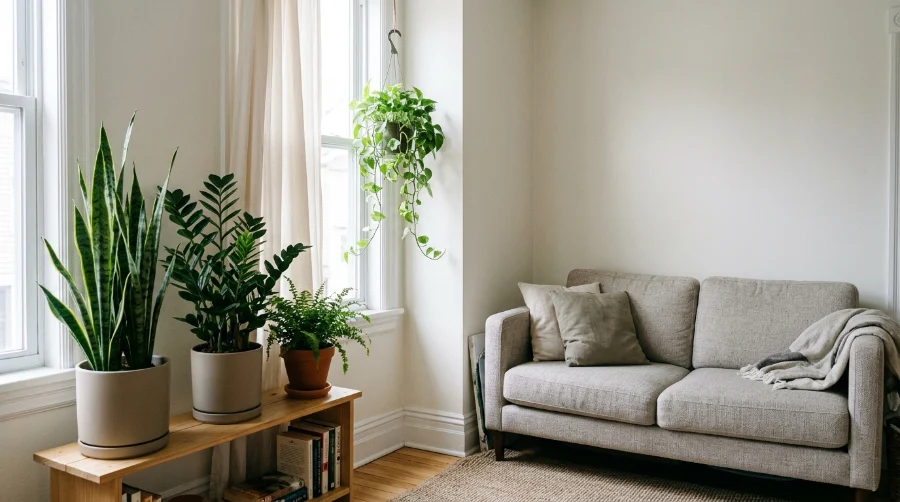
Plants bring color, texture and a sense of life into a small home, and they cost far less floor space than most decorative furniture. They also have a reputation…
A neutral room can feel calm without feeling flat. Texture is what keeps it interesting: the weave of a cushion, the grain of a wooden table, the pile of a rug…
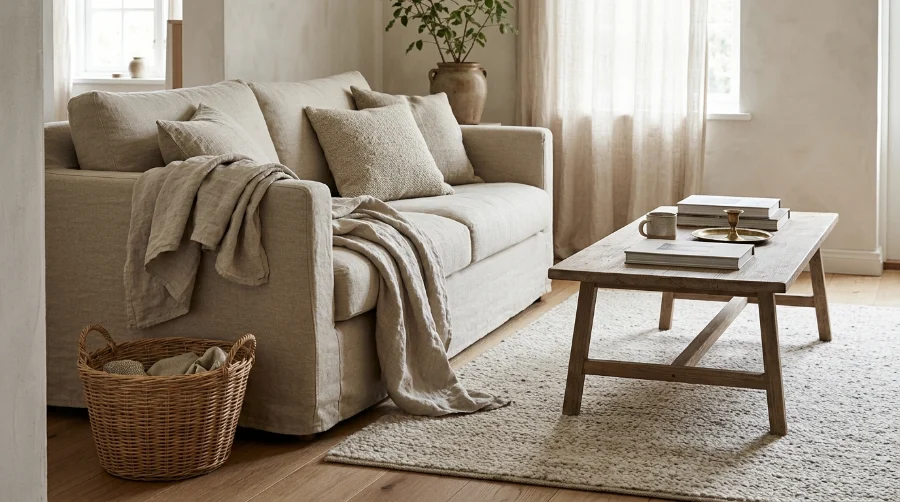
A neutral room can feel calm without feeling flat. Texture is what keeps it interesting: the weave of a cushion, the grain of a wooden table, the pile of a rug. These details change how a room feels even when the color scheme barely changes at all.
Before buying anything, look around the room. A wooden bowl, a linen throw, a wicker basket or a wool cushion may already provide texture. Often the problem is that these items are hidden or too few, not that the room lacks character.
Move one or two existing pieces into view and see how the room changes. A basket holding magazines on a shelf adds more than a new ornament sitting alone. This first step costs nothing and helps you avoid buying things that duplicate what you own.
Fabric is the easiest way to add texture. A smooth cushion cover beside a chunky knit throw creates contrast without adding another color. Curtains, upholstery and bedding can do the same when their weaves differ.
Keep the palette close and let the materials vary. Two cushions in the same color but different fabrics look more deliberate than five cushions in different colors. If the sofa is already patterned, choose plain textures around it rather than adding another pattern.
Wood adds warmth and a visible grain that fabric cannot provide. A small side table, a tray or a framed mirror can shift a neutral room from plain to layered. Wicker, jute and ceramics work in a similar way.
You do not need to replace large furniture. One natural material in the right place is often enough. A woven basket beside a chair can hold a throw while adding texture at floor level.
A rug changes both the look and the feel of a room. In a neutral scheme, a low-pile wool rug or a natural fibre one adds structure underfoot without competing with the furniture. A flat weave works well in a room that already has several soft surfaces.
Choose a size that reaches under the front legs of the main seating. A rug that is too small makes the seating area feel disconnected. Check the material if anyone in the home has allergies, and choose something that can be cleaned realistically.
Texture does not have to cover the whole room. A dark metal lamp base, a rough ceramic vase or a black picture frame can give a neutral room a clear edge. Without a small amount of contrast, soft textures can blur into one another.
Keep these accents few. One or two dark or shiny objects among softer materials give the eye a place to settle. A room filled with contrasting objects becomes busy, which defeats the calm that a neutral scheme is meant to provide.
It is possible to overdo texture. A wool rug, a chunky throw, a woven basket, a velvet chair and a rough stone table may each be attractive, but together they make the room feel restless. Choose a dominant texture and one or two supporting ones.
Think about how the room is used. A family room needs fabrics that clean easily, while a quiet bedroom can carry softer materials that are touched less often. Practicality is part of good design.
Texture does not require building work. Removable cushion covers, a washable rug, a tray on a coffee table and a lamp with a fabric shade can all be changed later. These pieces are useful in rented homes where walls and floors cannot be altered.
Second-hand shops often carry solid wooden trays, baskets and frames that suit a neutral room well. Check the condition and clean items properly before bringing them in. One well-chosen used piece is better than several new items bought quickly.
Texture changes with light. A woven cushion can look almost flat in direct sun but show its pattern in softer evening light. A wool rug may look rich under a lamp and dull under a bright overhead fixture. Notice when the room is used most and choose materials that hold up in that light.
Side lighting is especially useful because it grazes across surfaces and reveals weave and grain. A table lamp beside a chair can make a throw look more interesting than a ceiling light directly above it. If a room has only one overhead source, adding one low lamp may do more for texture than buying another object.
Reflective materials count too. A small brass tray or a glass vase catches light differently from fabric and wood. One reflective object gives a neutral room a little brightness without introducing another color. Keep it small so it supports the other textures rather than taking over.
Another mistake is changing everything at once. Add one layer, live with it for a few days, then decide what is missing. A room built slowly usually feels more personal than one arranged in an afternoon.
Choose one soft layer, one natural material and one small contrasting object. A linen throw, a wooden tray and a dark frame may be enough. Place them where they will be seen and used, then stop.
A neutral room does not need more color to become interesting. It needs variety in the surfaces that make up the room. When those surfaces work together, the space feels calm, warm and lived in. Add one layer at a time and keep what earns its place through daily use. A quiet room built slowly almost always feels more welcoming than one decorated all at once.
Guides that pair well with this one.
Plants bring color, texture and a sense of life into a small home, and they cost far less floor space than most decorative furniture. They also have a reputation…
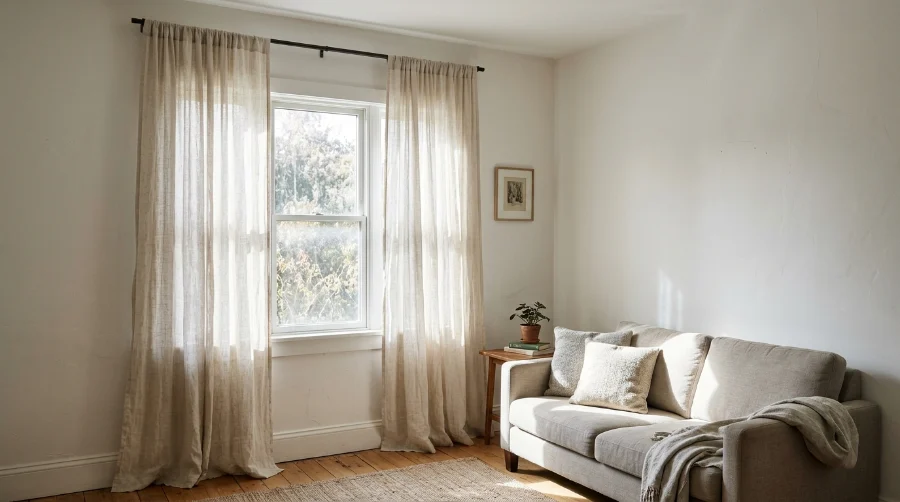
Curtains do more than cover a window. In a small room they affect how much daylight comes in, how wide the window appears and how much visual space the wall seems…
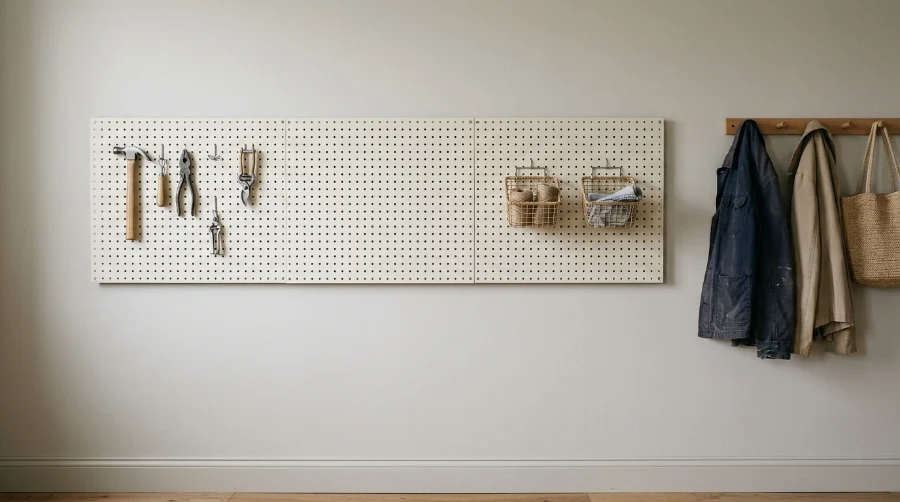
A handful of hooks on a wall is a tidy idea that can turn into a busy one. Each item added seems harmless on its own, but coats, hats, bags and tools gradually…