Bathroom Ideas
A Shared Bathroom With a Place for Everyone
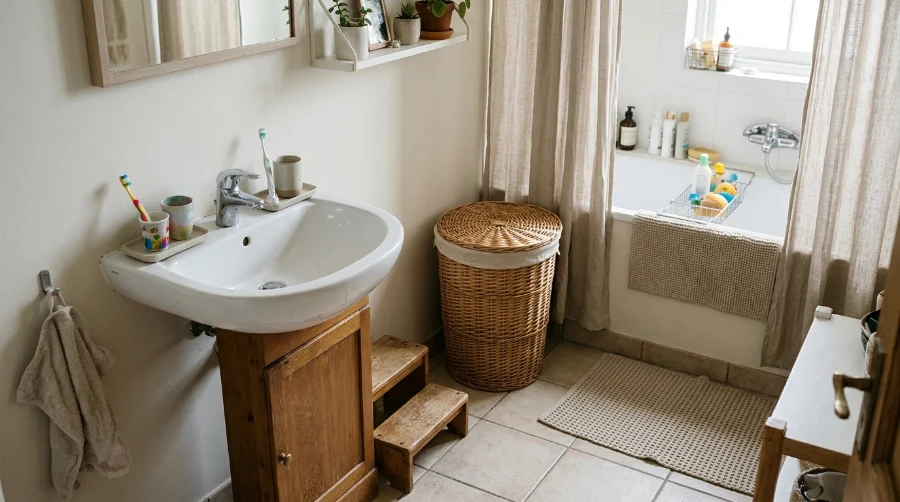
A bathroom used by the whole family has a problem that a single-user bathroom does not: everyone has their own things, and the morning rush puts them all in the…
Minor injuries happen most often where people wash, shave and move around wet surfaces. A small first-aid kit in the bathroom means plasters, antiseptic wipes and a…
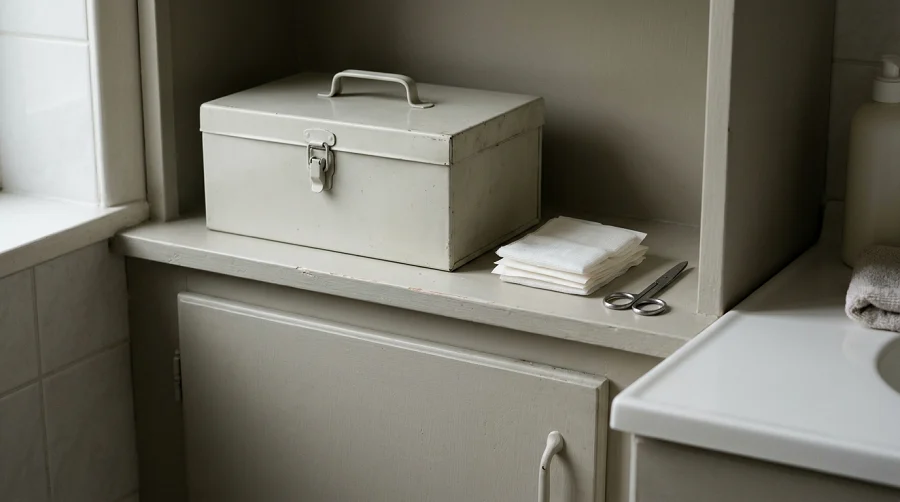
Minor injuries happen most often where people wash, shave and move around wet surfaces. A small first-aid kit in the bathroom means plasters, antiseptic wipes and a clean dressing are close at hand instead of being searched for in another room. Setting one up is straightforward, and the main considerations are what to include, where to keep it and how to maintain it.
A bathroom kit should handle minor, everyday problems: a small cut, a shaving nick, a splash in the eye or a headache. It is not a substitute for a fuller household kit or for professional medical care. Decide at the outset that this is a small, targeted collection, and it will stay manageable rather than growing into a crowded drawer.
Use one container with a secure lid and a handle, so the kit can be picked up and taken to where it is needed. A rigid box protects contents from moisture and is easier to clean than a soft bag. Choose a size that fits the chosen spot without dominating it.
A basic kit usually includes a selection of plasters in different sizes, sterile dressing pads, adhesive tape, antiseptic wipes, cotton wool or gauze, a pair of tweezers for splinters, and a small pair of scissors. A mild pain reliever may be included where appropriate for the household. Some people add a cold compress or a small tube of antiseptic cream.
Keep quantities modest. A few of each item is enough for minor incidents and prevents the box from becoming a jumble. Anything that belongs to a named medication or a specific family member should be clearly marked and kept separate from general supplies.
Bathrooms are damp, and moisture ruins dressings and medication. Store the kit in a closed cupboard or a drawer rather than on an open shelf near the shower. If the only space is close to a source of steam, choose a container with a tight seal and check the contents more often.
Keep the kit off the floor and away from direct water splash. A high shelf suits a home without children; a locked cupboard suits one with young children, since some contents are not safe to handle or swallow. The best location balances quick access for adults with safety for everyone else.
When something needs attention, nobody wants to unpack a box. Group items by type so the first thing seen is the things used most often. Small pouches or rubber bands can keep plasters together, dressings together and tools together. Place the most-used group on top.
A short contents list taped to the inside of the lid is useful, especially where more than one person uses the kit. It shows what should be there and makes restocking straightforward. Keep the list updated when the contents change.
A first-aid kit is only useful if its contents are in date and present. Set a reminder to check it every few months. Look for expired items, opened packaging, dried-out wipes and anything that has been used without replacement. Make the check part of an existing routine, such as a seasonal clean, so it is not forgotten.
After any use, restock immediately rather than noting it for later. It is easy to assume a plaster is still there when it was taken last week. A kit that is quietly incomplete is a common problem and a simple one to prevent.
Contents should reflect the people who use the bathroom. A home with children may want a few colourful plasters and a child-friendly dressing size. Someone who shaves regularly may keep extra small dressings for nicks. A household with an older adult might keep a torch or a list of useful numbers beside the kit, though any specific health needs should be planned with a qualified professional.
If a family member has an allergy or a prescribed emergency treatment, that information should be kept somewhere clearly visible and agreed within the household. A bathroom kit is a convenience, not a place to store complex medical plans without thought.
It is worth being clear about the limits of a small bathroom kit. A deep wound, a serious burn, sudden illness or an injury that will not stop bleeding needs proper medical help. Keeping a kit should never delay seeking advice when a situation is more than minor. A note with local emergency numbers placed near the kit can help in a stressful moment.
A large, ready-made kit sounds thorough, but half its contents often go unused in a bathroom setting. A smaller kit that suits the household is far more likely to be maintained. Storage location causes the other frequent problem: a kit left where children can reach it easily, or where water and steam gradually damage dressings, quietly stops being useful long before anyone notices.
Avoid combining the bathroom kit with the household cleaning supplies. Chemicals and first-aid items must never share a space where a mix-up is possible. Keep them clearly separate and clearly labelled.
Many items in a kit lose usefulness gradually, and there is no obvious sign when that happens. Write the date of purchase on a new packet when it goes in, particularly for antiseptic wipes, creams and any medicine. During the regular check, compare those dates and replace anything that is past its stated life. Dressings and plasters kept in a dry, closed box last well, but adhesive edges can weaken over time. A small marker kept inside the kit makes this habit easy to maintain and removes the guesswork from restocking.
A bathroom first-aid kit is a modest addition that earns its place. Keep it small, dry, organized and current, and adapt the contents to the people who use the room. Check it a few times a year and restock after use. Those simple habits mean the basics are there when a small accident happens, without turning a bathroom cupboard into a cluttered store.
Guides that pair well with this one.
A bathroom used by the whole family has a problem that a single-user bathroom does not: everyone has their own things, and the morning rush puts them all in the…
Few rooms have less give than a small bathroom. The door, the toilet and the shower all need clear space, and there is usually no spare corner for a cabinet. Good…
A bathroom designed for adults assumes a user who can reach the tap, judge hot water, and step over the bath edge. Children can do none of these reliably. Setting…