Bathroom Ideas
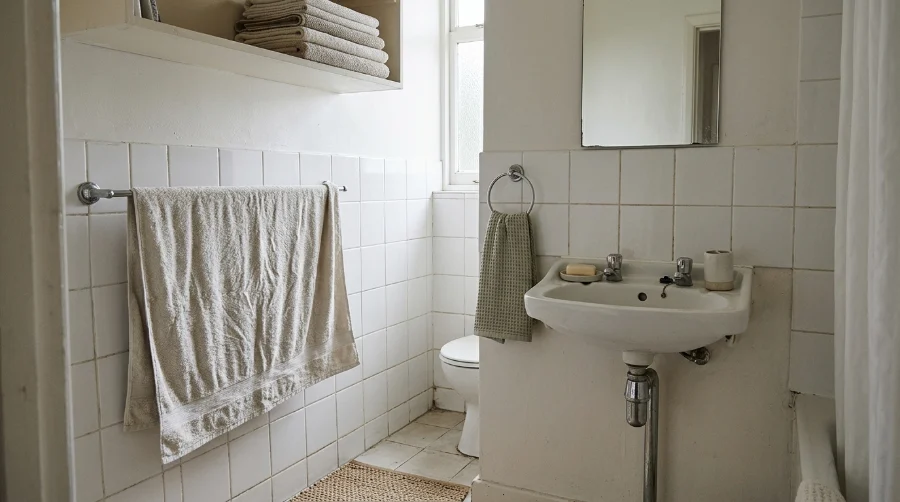
Towel Storage That Lets Them Dry
Towels are bulky, and a small bathroom rarely has a good place for them. Left on a hook behind the door, they stay damp and never quite dry. Piled on a shelf, they…
Bathrooms get dirty quickly because they are warm, damp and used many times a day. A good cleaning routine does not require harsh chemicals or a whole afternoon. It…
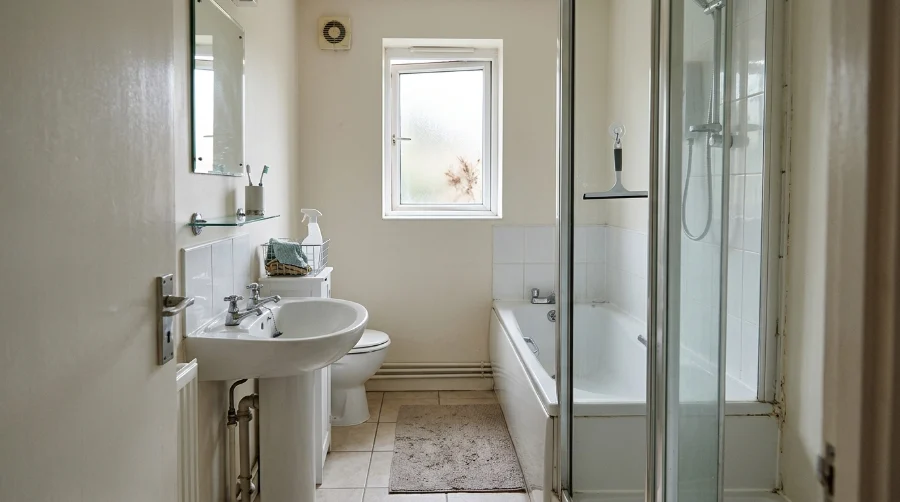
Bathrooms get dirty quickly because they are warm, damp and used many times a day. A good cleaning routine does not require harsh chemicals or a whole afternoon. It requires a few habits that stop moisture and residue from building up in the first place.
Moisture is the root of many bathroom problems. If the room has an extractor fan, run it during a shower and for a little while afterwards. If there is a window, open it when weather allows. A bathroom that stays damp will develop mould and mildew around the grout, the ceiling and the sealant faster than one that dries out.
Do not block the fan or cover the vent. A fan that sounds loud may need cleaning, but it is still doing useful work. In a room with no ventilation, wipe down wet surfaces after use and leave the door open when privacy allows.
A squeegee or a quick wipe after a shower takes less than a minute and prevents water spots from drying on glass and tiles. This matters most where water pools: the shower tray, the bath edge and around the sink. Leaving puddles encourages grime and can make a floor slippery.
Keep a small towel or squeegee within reach of the shower. Hang it somewhere it can dry. A damp cloth stuffed into a closed drawer simply moves the problem somewhere else.
Never mix cleaning products, especially anything containing bleach with another cleaner. Some combinations release harmful gases. Use one product at a time, follow the directions on the label, and rinse thoroughly before applying something different.
More product does not mean cleaner surfaces. A concentrated formula left to sit can damage sealant, stone or painted surfaces. Follow the stated contact time and check whether the product is suitable for the material you are cleaning.
The visible taps and mirror are easy to remember. The drain, the overflow hole, the shower head and the area behind the tap are often forgotten. These are the places where hair and soap residue collect, leading to slow drainage and unpleasant smells.
Once a week, clear hair from the drain and wipe the shower head. If water starts pooling, deal with it early rather than waiting until the shower cannot be used. A simple drain cover catches most hair before it becomes a blockage.
Towels, bath mats and shower curtains hold moisture. Wash bath mats and towels regularly and dry them fully before putting them away. A towel that stays damp for days will smell, no matter how clean the tiles are.
If a shower curtain has a liner, wash or replace it when it becomes stained. Rinse the bottom edge where it touches the bath, since that area stays wet longest. Fabric items that cannot be machine washed should be hung to dry completely between uses.
Abrasive pads can scratch acrylic, polished stone and some tiles. Check what the surface is made of before scrubbing hard. For grout, a small brush with a gentle cleaner usually works better than force, and it is less likely to damage the surrounding tile.
Microfibre cloths are useful for most bathroom surfaces because they hold dirt and dry quickly. Keep separate cloths for the toilet and for other areas, and wash them after use. Using the same cloth everywhere spreads what you are trying to remove.
Label the cloths or keep them in different colors if several people share the bathroom. A clean cloth stored in a damp cupboard will not stay clean for long, so let it dry before putting it away. Replace cloths that remain stained after washing; they will not do a better job no matter how much product you use.
In areas with hard water, mineral deposits build up on taps, glass and tiles. They look like a dull film and become harder to remove the longer they stay. A daily wipe is far more effective than a long scrub once a month, particularly on a shower screen.
Use a cleaner intended for the surface and follow the contact time on the label. For stubborn deposits, a cloth left damp against the mark for a short while can loosen it, but check that the method is safe for the material. Avoid mixing acidic descalers with other products, and never use them on natural stone unless the manufacturer confirms they are suitable.
Some people scrub the whole room deeply every day and then stop for a month. A steadier routine is easier. Wipe high-touch surfaces after use, do a short clean once a week and reserve a deeper session for grout, drains and seals once a month.
Undercleaning tends to happen in guest bathrooms, which look fine until someone uses them. A quick weekly check keeps them ready. Overcleaning wears out sealant and finishes, so match the effort to the need.
After use: run the fan, wipe water from the shower edge and hang towels where they can dry. Weekly: clean the sink, toilet, shower surfaces and floor; clear the drain; wash the mats. Monthly: scrub grout and seal edges, check the shower head and replace worn items.
Keep the supplies in the room so the routine does not depend on carrying everything upstairs. A small caddy with a cloth, a gentle cleaner and a brush is enough. When cleaning is easy to start, it is easy to repeat, and a consistently tidy bathroom needs far less work than one cleaned in emergencies. If several people use the room, write the short routine on a card and place it near the caddy so nobody has to guess what has already been done. Replace the cloth as soon as it starts to smell damp, because a clean surface wiped with a stale cloth will not stay clean for long.
Guides that pair well with this one.
Towels are bulky, and a small bathroom rarely has a good place for them. Left on a hook behind the door, they stay damp and never quite dry. Piled on a shelf, they…
A bathroom used by the whole family has a problem that a single-user bathroom does not: everyone has their own things, and the morning rush puts them all in the…
A bathroom designed for adults assumes a user who can reach the tap, judge hot water, and step over the bath edge. Children can do none of these reliably. Setting…