Bathroom Ideas
A Bathroom Set Up at a Child's Height
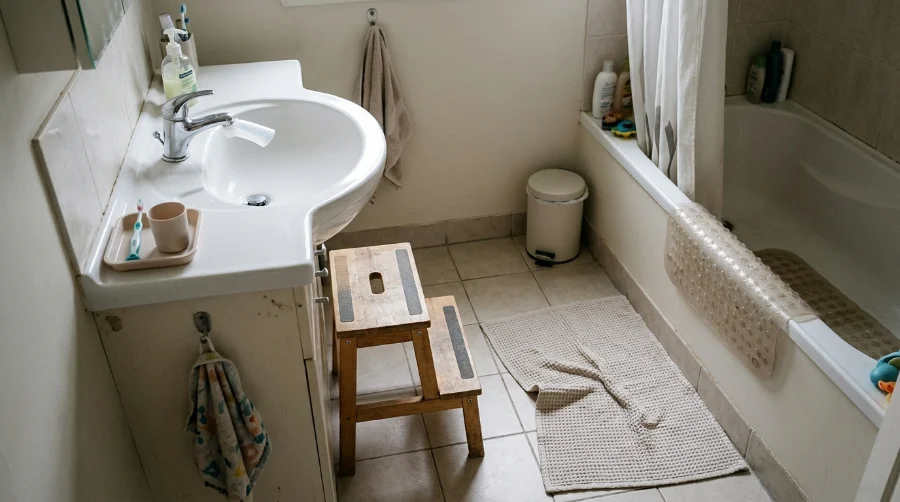
A bathroom designed for adults assumes a user who can reach the tap, judge hot water, and step over the bath edge. Children can do none of these reliably. Setting…
Mould in a bathroom is usually a sign of moisture that has somewhere to sit. It appears on silicone edges, around taps, in grout, and on painted walls near the…
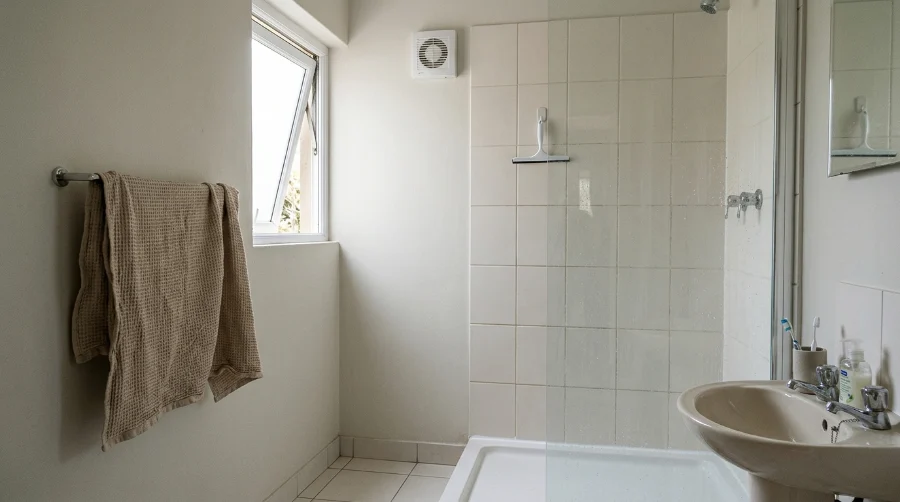
Mould in a bathroom is usually a sign of moisture that has somewhere to sit. It appears on silicone edges, around taps, in grout, and on painted walls near the shower. Removing the visible marks helps for a short time, but the marks return unless the conditions that caused them change.
Every shower adds a large amount of warm moisture to a small room. If that moisture cannot leave, it settles on the coolest surfaces: tiles, mirrors, glass, and the silicone seal around the bath. A bathroom that looks dry an hour after use may still stay damp in a hidden corner for much longer.
Leaks are another source. A dripping tap, a loose seal, or water running behind a panel can keep a surface damp continuously. Before treating repeated mould, check the obvious places: under the basin, around the shower tray, and where pipes enter the wall. A stain that keeps returning close to a fixture may point to a leak rather than ordinary condensation.
Cold surfaces encourage condensation. An outside wall, a poorly insulated ceiling, or a mirror on a cold wall will collect water faster than the rest of the room. Knowing which surfaces are affected helps target the solution instead of cleaning every surface equally.
An extractor fan is the most useful tool in a bathroom, but only if it runs long enough. Fan timers often stop too soon, leaving moisture behind. If the fan has an adjustable timer, extend it so that it continues for a while after the shower ends. If there is no fan, open a window and leave the door open to create a route for the air.
Air needs a way in as well as out. A fan in a sealed room cannot remove much moisture, so leave a small gap under the door or open the window slightly. In apartments with shared ventilation, check that the vent is not blocked by dust or a closed flap.
Squeegeeing water from tiles and glass after a shower reduces the amount that can evaporate into the room. This takes under a minute and makes a noticeable difference in a small bathroom. Wiping the silicone edges dry is even more effective, since that is where mould starts first.
Start by checking what the surface is made of. Tile and glass tolerate more treatment than painted plaster, natural stone, or unsealed grout. Always follow the product instructions and avoid mixing cleaning products, particularly anything containing bleach with other cleaners.
For small areas on tile or glass, a suitable mould remover or a paste of bicarbonate of soda and water can work. Apply it, leave it for the time stated, scrub with a brush, and rinse well. An old toothbrush is useful for grout lines and corners where a large brush cannot reach.
Wear gloves and keep the room ventilated while treating mould. If the affected area is large, keeps returning, or appears on painted plaster that is soft to the touch, the cause may be deeper than a surface stain. In a rented home, report persistent mould to the landlord rather than treating it repeatedly.
Do not scrub mould dry. That can spread spores into the air. Dampen the area first, work with a wet cloth or brush, and dispose of used cloths carefully.
Surfaces that hold water are more likely to grow mould. A fabric shower curtain stays wet longer than a plastic or treated one and needs regular washing. A thick bath mat on the floor holds water; a flat, absorbent mat that dries quickly is easier to keep fresh.
Silicone sealant that has cracked or pulled away from the wall lets water behind it, where it cannot be seen or wiped. Check the seal around the bath and shower regularly. If it is dark, loose, or split, replacing it is more effective than cleaning it again.
Keep the number of items in the bathroom low. Bottles, baskets, and toys on the floor or in corners trap moisture and block airflow. Fewer objects mean fewer places for damp to collect and less to move when cleaning.
Paint in a bathroom should be suitable for a humid room. Standard wall paint may blister or grow mould when used close to a shower. If marks keep appearing on a painted wall, check the paint type and the ventilation before repainting with the same product.
Towels and bath mats should be hung where air can reach them. A towel left bunched on a rail stays damp for days and begins to smell. Hang each item loosely, and take wet towels out of the room to dry if the bathroom has no window or working fan.
Run the fan, wipe the edges, and hang towels loosely after each use. These three actions take very little time and prevent most of the conditions mould needs. A deeper clean once a week handles the areas that daily wiping misses, such as grout, the showerhead, and the outside of the bin.
Check the bathroom once a month for new marks, especially in corners and behind items that are rarely moved. Early treatment is far easier than dealing with a patch that has spread. A quick look costs nothing and catches most problems while they are small.
If mould returns quickly after treatment despite good ventilation, look for a hidden cause. A leaking pipe, a failed seal, or poor insulation behind a wall can keep a surface damp no matter how often it is cleaned. Persistent damp on an outside wall may also be a building issue.
Where the problem continues, get the source checked before spending more time on cleaning. Removing visible mould without fixing the moisture behind it is a temporary measure. A bathroom that dries properly after use will stay clearer with far less effort than one that is cleaned hard but never gets the chance to dry.
Guides that pair well with this one.
A bathroom designed for adults assumes a user who can reach the tap, judge hot water, and step over the bath edge. Children can do none of these reliably. Setting…
A powder room is usually a small space used by guests and family for quick visits. Because it has no shower or bath, the layout can be simpler than a full bathroom…
Bathrooms get dirty quickly because they are warm, damp and used many times a day. A good cleaning routine does not require harsh chemicals or a whole afternoon. It…