Home Organization
Why Garages Stay Cluttered and How to Fix It
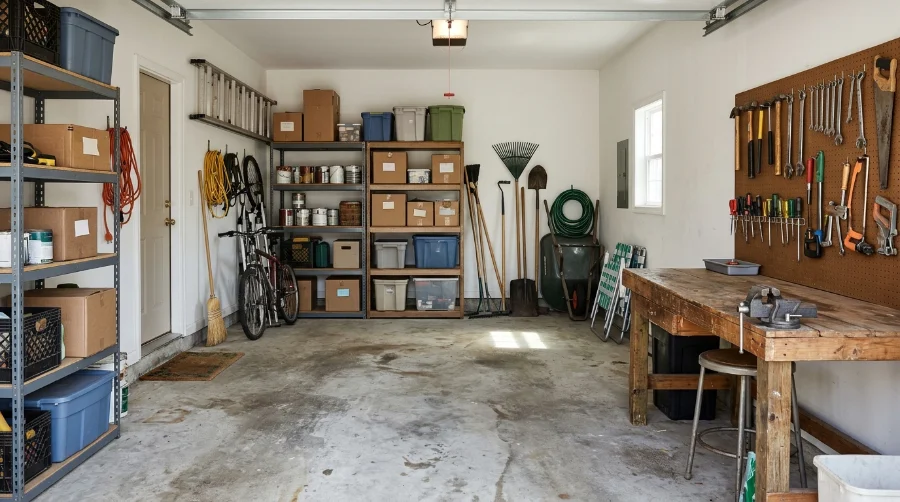
A garage is usually the biggest storage space in a home and the one that causes the most frustration. It has no rooms to define what belongs where, it doubles as a…
A donation bag left in a closet usually stays there. The idea was sound, but the bag was out of sight and nobody had to pass it. A donation station works better…
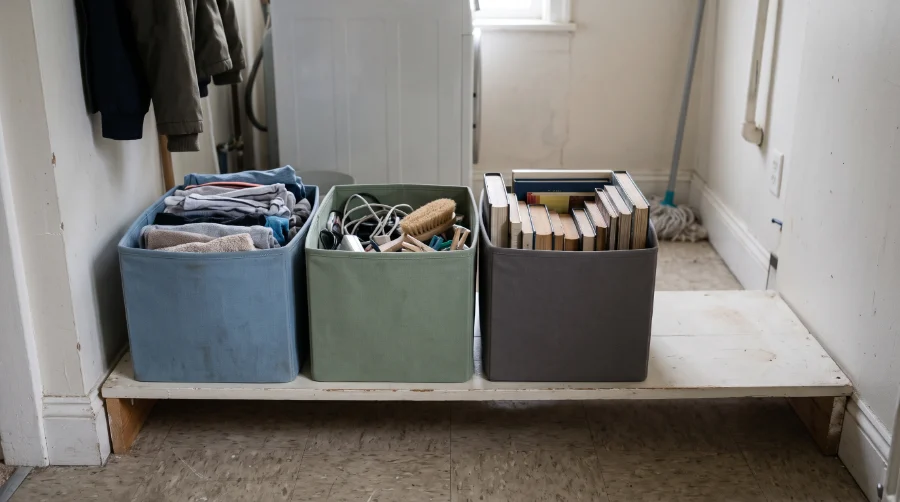
A donation bag left in a closet usually stays there. The idea was sound, but the bag was out of sight and nobody had to pass it. A donation station works better because it is visible, simple to use and attached to a regular habit. It turns giving things away into a small routine rather than an event that requires planning.
The best location is somewhere with foot traffic: the laundry room, the hall outside the bedrooms, or the corner of a home office. It should be easy to reach but not in the middle of a walkway. If the station is in a cupboard that nobody opens, it has the same problem as the bag in the closet.
In a small home, a single sturdy box on a shelf may be enough. In a larger household, two or three labelled containers side by side can sit in a quiet corner of the utility area. Measure the space before choosing containers so the station does not become an obstacle.
Most donation systems fail because they have too many boxes. Three categories are usually plenty: clothing and shoes, household items, and paper or books. If the household rarely donates books, do not create a box for them. An empty category makes the station look more complicated than it is.
Use plain, open-top containers or bags that can be closed and carried. Each should hold a limited amount. When one is full, that is the signal to take it somewhere, not to find a bigger box. A station that grows to match the amount of stuff has stopped helping.
Labels should describe what goes in the container in words every family member understands. "Clothes and shoes" works better than "donations". If children use the station, add a simple picture or use large print. A label on the lid is less useful than one on the side of the container, because lids get moved.
Keep the wording neutral. The station is for items that are still in good condition and useful to someone else, not a place to hide things nobody wants to deal with. That distinction helps people make quick decisions while sorting.
A donation station needs a departure date. Choose a fixed point in the month, such as the first Saturday, and put it in the calendar. When the boxes are full earlier, take them then; otherwise use the regular date as a reminder even if only one box is ready.
Linking the station to an existing routine makes it easier to remember. For example, review it when you change seasonal bedding or when the laundry basket overflows with items that no longer fit. A habit that already exists needs less discipline than a brand-new one.
Know where the items will go before the box fills. Many towns have charity shops, textile banks and community collection points. Check their current guidance on what they accept, because rules vary and change. Some organisations cannot take certain textiles or electrical items, and leaving unsuitable goods outside a closed collection point creates a mess for someone else.
Write the addresses or opening times near the station. When the decision is already made, the trip takes minutes. If you use a collection service, keep the contact details in the same place.
A station maintained by one person tends to stay small. Give each family member a clear role: one person carries full boxes to the car, another checks labels, another sorts a drawer once a month. Small jobs are easier to accept than a weekly clear-out session.
Avoid turning donation into an argument about other people's belongings. The station works best when everyone agrees that it is a simple place for items they no longer use, not a judgement on what should be kept. That tone matters in shared homes.
A donation station works best when it is fed by small, regular decisions. Choose one drawer, one shelf or one category each week rather than emptying a whole closet. Ten minutes with a single drawer is easy to start and easy to finish, which matters more than an ambitious weekend plan that never begins.
Put the items straight into the station as you decide. Do not create a second pile for things you might want later. If an item is uncertain, leave it where it belongs and make the decision another day. The station should hold clear decisions only, not unfinished ones.
One more mistake is treating the station as storage for undecided items. If a garment is kept there because nobody can decide, it will sit until it is forgotten. Make decisions before the item goes in the box.
A single box with a clear label and a date on the calendar is enough to begin. After a month, notice whether people used it. If they did not, move it closer to where they already stand. If the box filled quickly, add a second one for a different category.
The point of a donation station is not to produce a large pile of goods. It is to make a reasonable decision easy to act on. When the box is visible, labelled and emptied regularly, that is exactly what happens. Put full boxes in the car the evening before your usual drop-off day, so the trip does not depend on finding your keys and shoes at the last minute. A short drive made regularly is far easier than a large clear-out you keep postponing.
Guides that pair well with this one.
A garage is usually the biggest storage space in a home and the one that causes the most frustration. It has no rooms to define what belongs where, it doubles as a…
Almost every home has one drawer that defeats every good intention. It holds batteries beside takeout menus, a lonely screw next to three unmatched rubber bands…
A drop zone is not really a piece of furniture. It is a defined place where the things you carry every day land before they spread through the rest of the house. In…