Home Decorating
Pairing Blinds and Curtains for Light Control
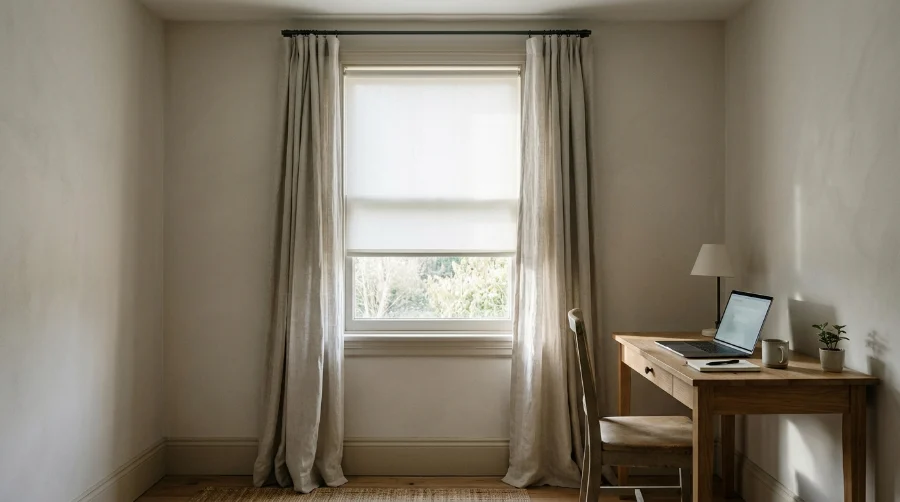
A single window covering is often asked to do too much in a small room. A blind alone controls light but can look hard against a bare window; curtains alone soften…
The most common problem with rugs in small rooms is not color or pattern. It is size. A rug that is too small makes a room feel broken into islands, while one that…
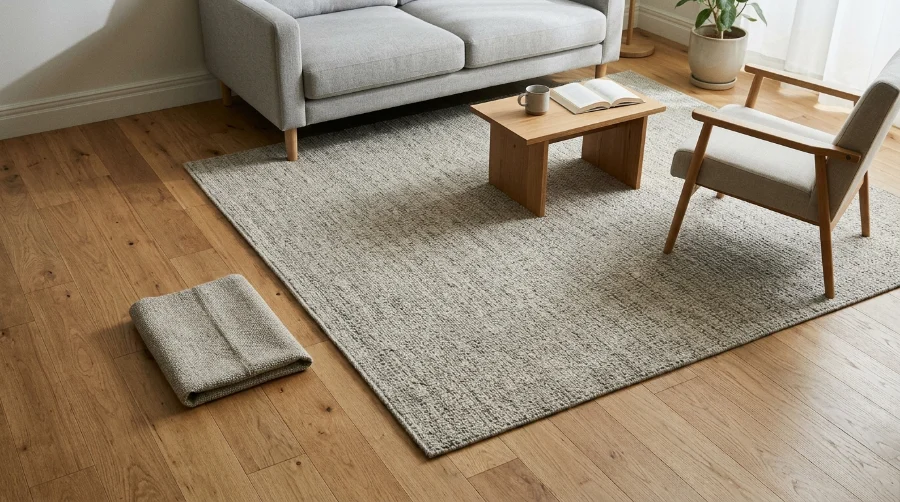
The most common problem with rugs in small rooms is not color or pattern. It is size. A rug that is too small makes a room feel broken into islands, while one that is too large can swallow the furniture and block doors. Choosing well starts with the floor, not with the pattern on the roll.
Begin by looking at the arrangement the rug has to sit under. In a seating area, note the outside edges of the sofa and chairs, including the space where people sit. A common approach is to choose a rug large enough that the front legs of the main seats rest on it. That connects the furniture into one group instead of leaving each piece on its own patch of floor.
In a bedroom, measure the bed and the space around it. A rug that extends beyond the sides and foot of the bed gives a soft surface underfoot when getting up. If the room is too tight for that, a runner along one side may be more practical than a small square that disappears under the frame.
Do not forget the doors. A rug that a door cannot swing over will be lifted, folded back, or removed. Check the door clearance before buying, and leave a margin of floor between the rug and any doorway that is used daily.
Rugs come in fairly predictable sizes, which makes planning easier. A small rug of about three by five feet suits an entry, a bedside strip, or a single chair. It is rarely large enough to anchor a full seating group. A five by eight foot rug works under a small dining table or in front of a sofa with one chair. Larger rooms may need eight by ten feet to bring the front legs of several seats onto the rug.
In a small living room, a rug that leaves a border of bare floor on all sides usually looks better than one that runs edge to edge. Leaving roughly a foot of floor visible around the rug frames the seating area and keeps the room from looking overfilled. The exact gap is a matter of taste, but some visible floor is almost always better than none.
Remember that the size on the label is the size of the pile, not including any fringe. A fringe that extends beyond the measured edge can interfere with a door or a chair leg. Check the full dimensions if the room is tight.
A small room does not require a plain rug, but a very busy pattern on a small rug can draw attention to how little floor there is. Large, simple patterns tend to look calmer because the eye reads them as one surface. A subtle texture or a low-contrast design adds interest without competing with the furniture.
Light colors reflect daylight and can make a dark room feel more open, but they show marks more readily. In a room used by children or pets, a mid-tone rug with a slight pattern may be more practical than a pale one that needs constant cleaning. Choose a color that already appears somewhere in the room, such as in a cushion or a wooden tone, so the rug feels connected rather than added.
If the floor beneath is attractive, avoid covering all of it. A rug that leaves the floor edges visible lets the material underneath contribute to the room. In small homes, that sense of layering often matters more than another decorative object.
Think about what happens on the rug before choosing the fibre. A seating area receives foot traffic, pet hair, and the occasional spill. A wool rug is durable and hides soil well but needs careful cleaning. Synthetic fibres are easier to wash and are a sensible choice in a room used every day, especially where children eat or play.
Pile height affects both comfort and practicality. A thick, soft pile feels pleasant underfoot but makes chairs harder to move and can trap crumbs. A low, tight pile sits flat, allows furniture to slide, and is easier to vacuum. In a small room where furniture is moved often, low pile is usually the better choice.
Underlay is worth considering. A thin, non-slip pad keeps the rug from shifting and protects the floor beneath. It also makes a low-pile rug feel warmer underfoot. Make sure the pad is slightly smaller than the rug so it does not peek out at the edges.
In a living area, center the rug on the seating group rather than on the room. If the furniture is arranged around a window or a fireplace, the rug should follow that arrangement. A rug centred on an empty stretch of floor will look misplaced even if its size is correct.
In a dining area, the rug should extend beyond the table and chairs so that a pulled-out chair still sits on it. If the room is too small for that, skip the rug rather than choosing one that catches chair legs. A clear floor is better than a rug that makes every meal feel awkward.
In a bedroom, a runner on each side of the bed is a good alternative to a large rug when space is limited. It gives a soft landing where it is needed and leaves the rest of the floor visible. In a home office, a small mat under the chair protects the floor and defines the work area without taking over the room.
Do not buy a rug from a photograph alone. Colors change with light, and a pattern that looks subtle online may be strong in a small room. If possible, bring a sample home and place it on the floor where it will actually sit. Look at it in daylight and at night under the room's usual lighting.
Do not choose a rug that requires daily straightening. A heavy rug that curls at the corners or a light one that slides on a smooth floor will become a nuisance. Use underlay, and avoid rugs with edges that lift where people walk.
Finally, do not expect a rug to fix an arrangement that does not work. A rug supports a good layout; it cannot create one. If the seating is too far apart or the bed blocks a path, adjust the furniture first and then choose the rug to suit the improved arrangement.
A good rug in a small room does a quiet job. It gathers the furniture, softens the floor, and gives the eye a place to settle. Measure the space the furniture actually occupies, leave a little floor visible, and choose a material that suits daily life. When those choices are right, the rug stops being a decorative extra and becomes part of how the room works.
Guides that pair well with this one.
A single window covering is often asked to do too much in a small room. A blind alone controls light but can look hard against a bare window; curtains alone soften…
A gallery wall looks relaxed in photographs, which is why people often start hanging frames without a plan. The result is usually a group that is slightly crooked…
Plants bring color, texture and a sense of life into a small home, and they cost far less floor space than most decorative furniture. They also have a reputation…