Everyday Home Tips
Five Weekly Checks That Prevent Costly Home Repairs
Small home problems become expensive when nobody looks at them for months. A weekly maintenance routine is not a deep cleaning session. It is a short, repeatable…
An unusual smell in a home is a clue, not a decoration problem. Strong fragrances can cover it for a while, but the smell returns if the source is still there…
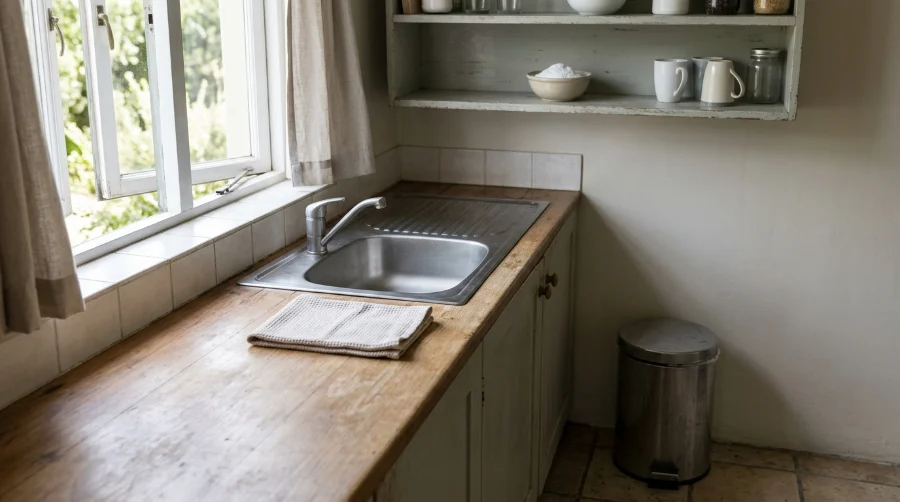
An unusual smell in a home is a clue, not a decoration problem. Strong fragrances can cover it for a while, but the smell returns if the source is still there. Dealing with household odours properly means finding where they come from and removing the cause, often with simple materials and no harsh products.
Start by working out where the smell is strongest. A smell that is worse near the sink may come from the drain or a damp cloth. One that appears near a window may be related to condensation or a damp wall. A smell in a bedroom may come from bedding, shoes, or a wardrobe that does not get aired.
Walk through the home at different times of day. Some smells are strongest when a room has been closed for hours, while others appear when the heating comes on. Noticing the pattern often identifies the source without any special equipment.
Check the places that are easy to forget: the bin, the washing machine, the drip tray under the fridge, and any cloth or sponge left damp. These are the most common sources of unpleasant smells in an otherwise clean home.
Many household odours come from moisture. A damp towel, a wet coat, or a room with poor airflow will develop a musty smell quickly. The answer is to dry the item and move the air, not to add a fragrance on top.
Open windows when the weather allows, even for a short period. Cross-ventilation removes stale air faster than a single open window. In a bathroom, run the extractor fan after use and hang towels loosely so they dry. In a wardrobe, air the room and remove any garment that is not fully dry.
If a smell persists in one room, look for a hidden damp patch. Check behind furniture placed against an outside wall, under a sink, and around window sills. A musty smell that returns after cleaning often means moisture is collecting somewhere out of sight.
A smelly drain can often be treated by flushing with hot water and cleaning the removable parts of the plug or waste. Check the trap if the design allows it, and remove any debris. Do not pour strong chemicals down a drain repeatedly; they may damage pipes and can be harmful if handled carelessly.
Washing machines need attention too. A damp seal around the door and a detergent drawer that is rarely removed can develop a smell. Wipe the seal dry after use, leave the door open to air, and clean the drawer periodically. Run a hot maintenance cycle according to the machine's instructions.
Bins should be emptied regularly and washed when they begin to smell. Food waste bins in particular benefit from frequent cleaning. A lining that leaks can leave liquid at the bottom of the bin, which is the source of the smell rather than the bin itself.
Bicarbonate of soda is useful for absorbing smells in enclosed spaces. A small open bowl in a fridge, a sprinkle in a bin, or a box in a cupboard can help, provided it is replaced occasionally. It works by absorbing odour rather than covering it with a stronger scent.
Fresh air is the simplest option for soft items. Hang blankets, cushions, and coats outside on a dry day, or place them near an open window. Sunlight and airflow do much of the work without any product.
For surfaces, start with warm water and a suitable mild cleaner. Many odours are attached to a thin layer of dirt or grease, and thorough cleaning removes the smell with it. A surface that looks clean may still hold residue that smells when damp.
Do not layer several strong fragrances over a smell. A room that smells of three different sprays often feels less fresh than one with a faint, natural smell. Strong scents can also bother people with sensitivities and may mask a problem that needs attention, such as a leak.
Do not mix cleaning products. Combining bleach with other chemicals can release dangerous gases. If a smell needs stronger treatment than mild cleaning, follow the instructions on one suitable product and keep the room ventilated.
Do not ignore a smell that suggests something serious. A persistent gas smell, a burning smell, or a strong smell of damp in a building needs immediate attention and may require a professional. Household remedies are for everyday odours, not safety problems.
Cushions, throws, and upholstered seats hold smells from cooking, pets, and daily use. Not all of them need a full wash. Many can be aired near an open window, which removes stale smells from fabric that is dry but has absorbed odour over time.
For items that can be laundered, follow the care label and avoid using more detergent than needed. Excess detergent can leave a residue that traps odour, especially in towels. Adding an extra rinse is often more effective than a stronger product.
Mattresses and pillows benefit from airing and from being kept dry. Strip the bed and leave the mattress uncovered for a short while on a dry day. If a smell remains after airing, check for moisture at the window wall or beneath the bed before reaching for a spray.
Air rooms daily where possible, dry wet items before putting them away, and empty bins before they overflow. Laundering cloths and towels regularly prevents smells from building up. These habits are simple but do more than any occasional deep clean.
Once a week, check the small areas that collect moisture: the sink, the washing machine seal, and any cloth or sponge in use. A quick wipe prevents a smell from becoming established. When the source is removed early, there is nothing to disguise.
A home that smells fresh usually has good airflow, dry surfaces, and clean places that are often overlooked. Find the source of an odour, remove what is causing it, and let the room air. Mild absorbers and gentle cleaning can help, but they work best once the real cause has been dealt with.
Guides that pair well with this one.
Small home problems become expensive when nobody looks at them for months. A weekly maintenance routine is not a deep cleaning session. It is a short, repeatable…
Leaving a home for a week is easier when the preparations are ordinary and repeatable. A short checklist removes the need to remember everything on the day of…
Most cleaning plans fail for the same reason: they ask for more than a normal week can deliver. A long list of daily chores looks impressive on paper, but it…